

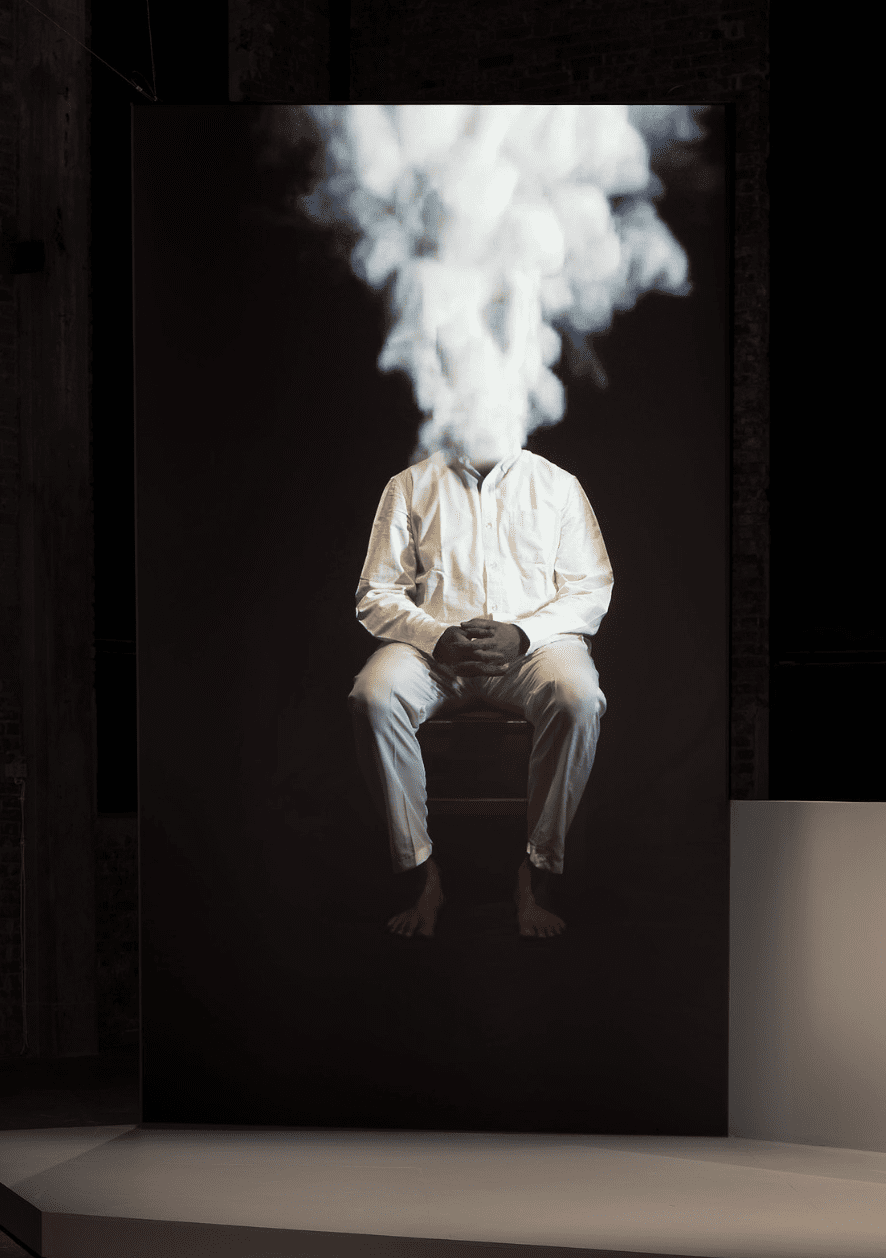
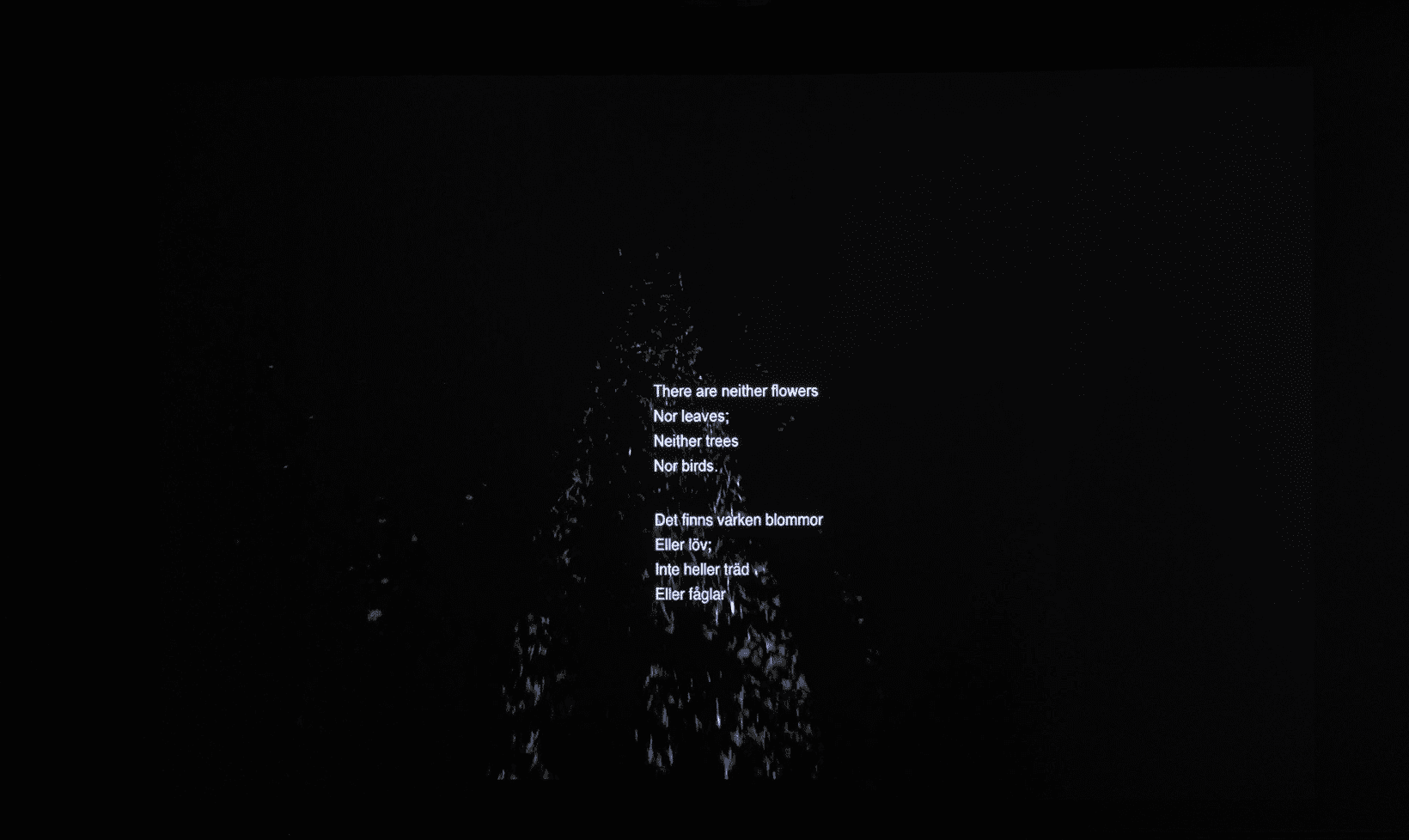
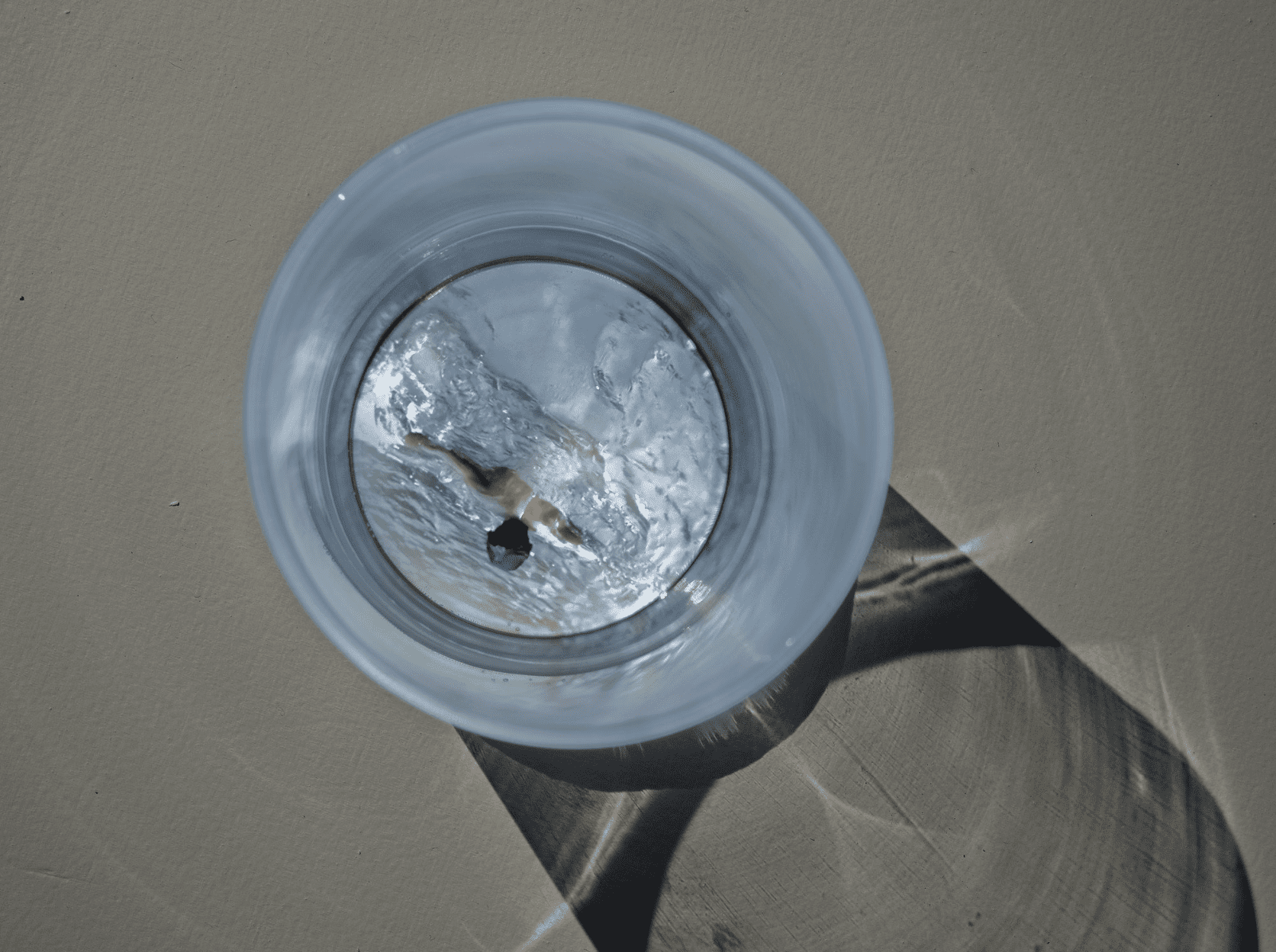
دی شیڈو آف لسٹر میں، امول کے پاٹل اپنی شاعرانہ تنصیبات کی دھڑکن والی روشنیوں میں، ویڈیو ورکس سمیت مخلوط میڈیا کی نمائش کرتے ہیں۔ فنکار ہندوستانی ذات پات اور طبقاتی نظام سے متعلق مسائل اور سماجی بیانیے میں محنت کش طبقے کی پوشیدگی کو تلاش کرتا ہے۔ – نمائش کا خیال انسانی تاریخ، زندگیوں اور دیواروں کی دراڑوں کے پیچھے مختلف نسلوں کی بات چیت، پینٹ کی تہوں کے ذریعے، جلد اور چھونے کے نشانات کو دیکھنے اور تجربہ کرنے پر مبنی ہے۔ – امول کے پاٹل وہ اپنے آبائی شہر ممبئی کے محنت کش طبقے کے محلوں میں بڑے پیمانے پر ہاؤسنگ کمپلیکس کے قریب پلا بڑھا جسے "چاول" کہا جاتا ہے۔ کام اور بہتر مستقبل کی تلاش میں، دلت، نچلی ذات کے لوگ، دیہی علاقوں سے شہر چلے گئے اور ان جیسے چاولوں میں آباد ہوئے۔ دلت، جسے عام طور پر "اچھوت" کہا جاتا ہے، بنیادی طور پر کلینر یا فیکٹری ورکرز کے طور پر کام کرتے ہیں۔ پاٹل اپنے دادا، ایک دلت شاعر، اور اپنے والد، ایک اونٹ گارڈے ڈرامہ نگار سے متاثر ہیں۔ اپنے خاندانی آرکائیو سے آگاہ کرتے ہوئے، وہ جدید ہندوستان کے شہری اور ثقافتی منظر نامے میں محنت کش طبقے کے اجتماعی تجربے کی نشاندہی کرتا ہے۔ نمائش متنبہ کرتی ہے کہ کلاس کا مسئلہ صرف تعلیم، کام اور ثقافتی پس منظر سے متعلق نہیں ہے۔ یہ اس بات پر زور دیتا ہے کہ جس بنیاد پر طبقاتی عہدوں کا تعین کیا جاتا ہے اس کو سمجھنا ہمارے معاشرے میں طاقت اور استحصال کے ڈھانچے کو ننگا کرنے میں مدد کرتا ہے۔
امول کے پٹیل
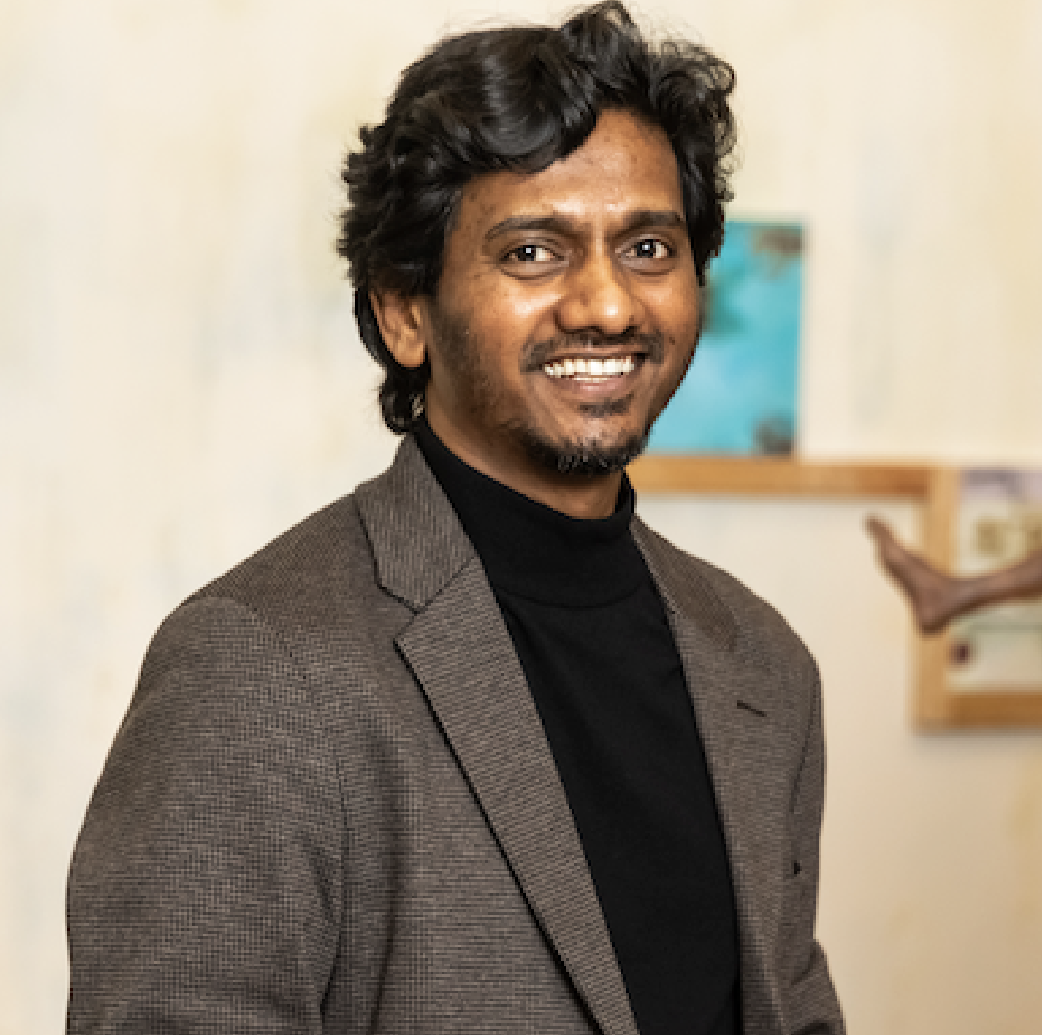
Amol K Patil (b. 1987, Mumbai) is a conceptual and performance artist whose practice emerges from the lived histories of Mumbai’s chawls, dense worker housing shaped by labor and migration. Growing up in this environment, Patil developed an artistic language that excavates memory through sound, gesture, and movement. His works often weave together performance, kinetic installation, and video, transforming personal and family archives into living settings where objects, such as an old Dictaphone, industrial sirens recorded by his father, or his grandfather’s Powada protest verses, become active voices.
Drawing from a lineage of resistance, Patil extends the legacies of his grandfather, a protest poet, and his father, a theater activist, into his own multidisciplinary practice. Through these inheritances, he stages counter-memories that challenge caste hierarchies, migration politics, and the erasure of working-class lives within urban modernity. His recent projects expand this research into the constructs of urbanization, reimagining relationships between humans, soundscapes, and landscapes.
Amol K Patil (b. 1987, Mumbai) has shown works at the Site Santa Fe international, New Mexico, 2025; Berlin Biennale, Berlin, 2025; De Pont Museum in The Netherlands 2024, Gwangju Biennale 2024; Hayward Gallery in London 2023; Kunstenfestivaldesarts, in Brussels 2023; Documenta Fifteen, Kassel, Germany, 2022; Kochi-Muziris Biennale, Kochi, India 2022-2023; Yokohama Triennale (Yokohama, 2020); Goethe- Institute / Max Mueller Bhavan (Mumbai, 2019), Goethe-Institut / Max Mueller Bhavan (New Delhi, 2019); The Showroom (London, 2018), Tensta konsthall (Stockholm, 2017), Pompidou (Paris, 2017); Pune Biennale Habit-co Habit (Pune, 2017); New Galerie (Paris, 2016); Japan Foundation (Delhi, 2015); Stedelijk Museum (Amsterdam, 2015); Kadist Art Foundation, (Paris, 2013) (Text by Zasha Colah).